How To Improve Downton Abbey: The Grand Finale
The best movie ever? Certainly. But it could've been even better. Here's how.

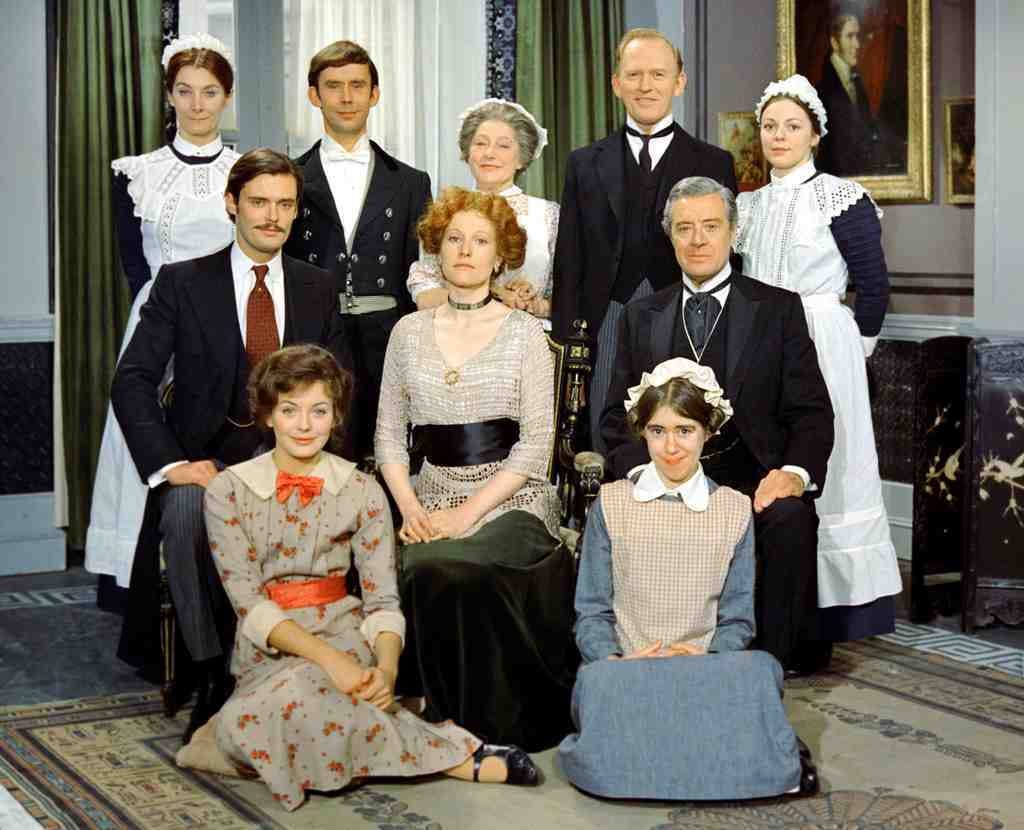
Downton Abbey: The Grand Finale is a spectacular cinematic rollercoaster that delivers on every level and makes every other film look like donkey vomit. But I think there are a few ways in which it could’ve been improved. Here are the changes I would have made to the grand conclusion to the Downton Abbey saga:
More emphasis on the movie’s core message
As it is, the film only spends around 80% of its runtime on characters explaining to each other that times have changed and things are very different from how they used to be. This doesn’t really hammer the message home, so there was definitely scope to raise that to 95% or so, so that no cinemagoer leaves the theatre without realising that in 1930, life was not the same as it had been in 1912.
More violence
During the film, Lord Grantham (Hugh Bonneville) gets angry at all the other characters repeatedly, but at no point does he engage in physical violence. It would have been more satisfying as a viewing experience if every time Lord Grantham gets angry at someone, he punches them in the face. Even better would have been if every time Lord Grantham gets angry at someone, he punches his son-in-law Lord Hexham in the face, whether or not that’s who he’s angry at.
Less sex
At one point in the film, Lady Mary Talbot passionately kisses Gus Sambrook, and is then seen waking up next to him the following morning. This is horribly gratuitous, and the scene would have been much improved if Lady Mary and Mr Sambrook had simply shaken hands and informed each other of some interesting historical facts about the building, before being seen the next morning shaking hands again before mounting their respective penny farthing bicycles and riding to Parliament.
Should be more like Forrest Gump
During the film, Lady Mary Talbot uses the phrase “private lives” to the character of Noel Coward, who instantly lights up with creative inspiration. There should be much more of this throughout the film. For example, Lady Edith could say, “Goodness, Mr Coward, what a BLITHE SPIRIT you have, to be sure!” Or Tom Branson could say, “Well well well, Mr Coward, I have enjoyed our BRIEF ENCOUNTER, though I wish we could’ve chatted for longer.” Or Mrs Hughes could take Noel Coward downstairs and say, “You see, Mr Coward, these are the dishes IN WHICH WE SERVE dinner.” Or Daisy could say, “Oh Mr Coward, excuse my constant sneezing, I get terrible HAY FEVER.” Or Lady Merton could say, “These are my favourite pigs, Mr Coward, THIS HAPPY BREED is certainly the best.” You get my point. Lots of opportunities to extend this most clever dramatic device, is what I’m saying.
In fact, this should not even have been restricted to interactions with Noel Coward. There should have been a lot more witty references to things the audience would recognise in general. If we could’ve heard Lady Grantham say something like, “Oh no, I don’t think Germany will ever invade Poland in the next ten years”, or if Mr Carson could’ve said, “Well, times might have changed, but I trust we shall never see Roger Bannister run a mile in less than four minutes”, that would’ve helped the audience feel very good about themselves.
More Lord and Lady Hexham
There is far too little of the wonderful relationship between Lady Edith and her dashing husband Lord Hexham. Several scenes of thirty or forty minutes each, in which Lord and Lady Hexham sit silently on opposite sides of the bedroom, smiling pleasantly at each other, would really have jazzed the film up.
Callbacks
There are far too few references in the film to events of previous films and the television series. It would benefit from a lot more. Some suggestions:
Every time Mr Bates is in a scene, all other characters should come to him and say, “Congratulations on those murders you did!”
Lady Mary should take the opportunity during dinner to bring up how great anal sex is.
Lord Grantham should break down and cry about the Titanic without warning every few minutes.
All Lord Grantham’s friends should refer to him as “Lord Spews-Blood”.
At the climax of the film that weird disfigured soldier from Season 2 should crash through a skylight.
More suffering for the children
The various children of the Crawley family are only seen in passing during the film, running about playing and laughing mostly. The narrative would have more emotional heft if the children were made to suffer in various ways. Some possible ways to do this would be: having them all contract scarlet fever; making them watch their pets get hit by trucks; having Anna Bates kick George in the face; having one of the children trip and fall on a syringe at the village fair; having Mr Molesley tell them the truth about the futility of World War One.
Car chases
The movie acknowledges that cars existed in 1930 but is curiously reluctant to have the cars chase each other.
More realism in the horse racing sequence
At one point in the film the family visits Royal Ascot racecourse and watches several horse races. However, at no point during this lengthy sequence do we see any horses fall and have to be shot dead on the course. This detracts from the feeling that we are watching a film about life as it is lived. At least five horses should have been shot during this film.
The movie should have ended with the portrait of Maggie Smith winking at the audience.
This, I trust, is fairly self-explanatory.
Love it